How to Remove Smell from Boxing Gloves: Proven Cleaning and Prevention Methods
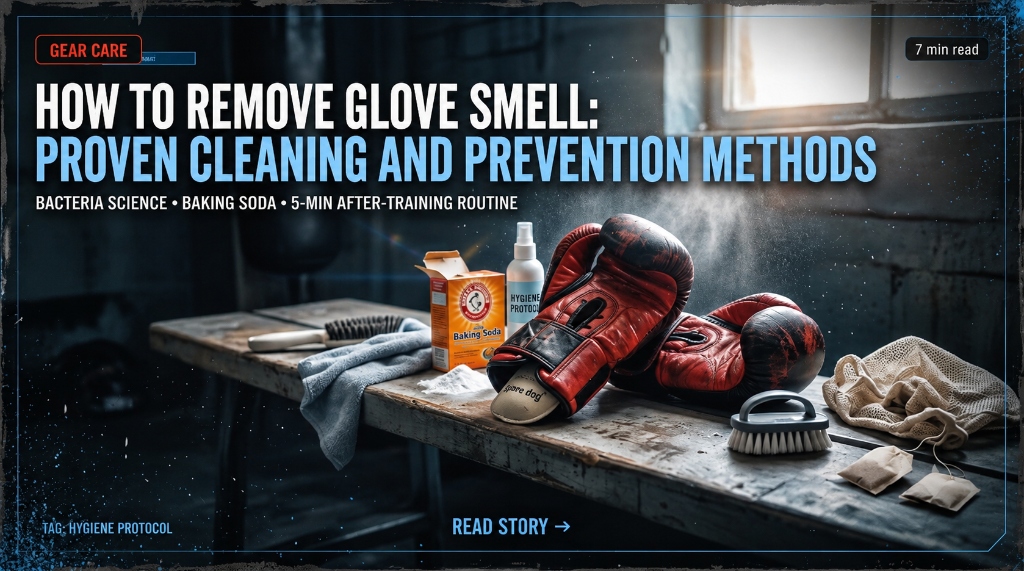
The Science of Why Boxing Gloves Smell
Your hands contain one of the highest concentrations of sweat glands on your entire body. During an intense 60-minute combat session, each hand expels up to 100ml of sweat inside your gloves.
Fresh sweat itself is virtually odorless. However, the warm, dark, enclosed interior of a boxing glove acts as a greenhouse incubator for anaerobic bacteria (chiefly *Brevibacterium* and *Staphylococcus epidermidis*). These microbes consume dead skin cells and proteins, excreting volatile sulfur and butyric acid compounds. Once this bacterial colony embeds itself deep inside multi-layer open-cell foam, the stench becomes notoriously difficult to eradicate.
Quick Fixes vs Deep Deodorizing Methods
Treating glove odor requires distinguishing between surface masking and bacterial eradication:
- ▪ Surface Perfuming (Ineffective): Spraying heavy cologne or body spray directly into smelly gloves merely creates a foul chemical-sweat odor hybrid without killing the bacteria.
- ▪ Desiccation (Moisture Removal): Bacteria require moisture to thrive. Removing humidity immediately stops microbial reproduction.
- ▪ Antimicrobial Neutralization: Using targeted, sports-safe antimicrobial compounds (such as hypochlorous acid or diluted tea tree oil) destroys bacterial cell walls without dissolving delicate glove adhesives or degrading latex padding.
6 Effective Glove Deodorizing Methods
Here are the top laboratory-tested and gym-proven methods to clean and deodorize gloves:
| Deodorizing Method | Elimination Speed | Safe for Leather? | Best Application | Approx. Cost (INR) |
|---|---|---|---|---|
| Baking Soda Sachets | Overnight (8–12 hrs) | 100% Safe | Absorbing deep acidic sweat & moisture | ₹30 – ₹60 |
| Activated Bamboo Charcoal | Continuous (24 hrs) | 100% Safe | Daily insertion inside gym bag | ₹350 – ₹600 |
| Hypochlorous Acid (HOCl) Mist | Fast (under 2 mins) | 100% Safe | Eradicating 99.9% of bacteria on contact | ₹250 – ₹500 |
| Cedar Wood Glove Dogs | Passive (12–24 hrs) | 100% Safe | Natural moisture wicking & fresh pine aroma | ₹400 – ₹700 |
| Diluted Tea Tree Oil Spray | 30 minutes | Safe if diluted | Natural botanical antimicrobial protection | ₹150 – ₹300 |
- 1 Baking Soda (Sodium Bicarbonate) Sachets:
Pour 2 to 3 tablespoons of baking soda into clean cotton socks, tie off the ankles, and slip one into each glove overnight. Baking soda is naturally amphoteric, neutralizing acidic sweat compounds and absorbing ambient moisture.
- 2 Activated Bamboo Charcoal & Cedar Glove Dogs:
Cedar wood shavings naturally repel bacteria and emit a clean pine aroma, while activated charcoal possesses millions of micro-pores that trap organic odor molecules. Leave them inserted inside your gloves whenever they are in your gym bag.
- 3 Crumpled Newspaper / Kraft Paper:
Dense newspaper print has remarkable moisture-wicking properties. Ball up several sheets of black-and-white newspaper and stuff them into the thumb and knuckle pockets for 4 to 6 hours after training.
- 4 Hypochlorous Acid (HOCl) Mist:
Hypochlorous acid is a hospital-grade, non-toxic disinfectant naturally produced by the human immune system. A light mist inside gloves kills 99.9% of bacteria within minutes while remaining 100% skin-safe and non-corrosive to leather.
- 5 Diluted Tea Tree Oil Spray:
Mix 5 drops of 100% pure tea tree essential oil with 200ml of distilled water in a spray bottle. Tea tree oil possesses potent natural terpene antimicrobials. Spray a very light mist and let air dry completely.
- 6 Exterior Shell Conditioning:
For genuine leather gloves, wipe down the exterior with a damp microfiber cloth, then apply a dime-sized amount of leather balm or shea butter every 4 weeks to keep the hide supple and crack-free.
What NEVER to Do (The Glove Death Traps)
Desperate gym athletes frequently ruin expensive gloves through improper cleaning:
- ▪ NEVER Machine Wash or Submerge in Water: Soaking saturated gloves causes the internal foam layers to waterlog, dissolve adhesives, and rot the structural stitching. Once soaked, gloves can take 2 weeks to dry, promoting black mold.
- ▪ NEVER Tumble Dry or Use High-Heat Hair Dryers: High heat cooks leather, causing irreversible brittleness, cracking, and melting internal synthetic EVA foams.
- ▪ NEVER Leave in Direct Midday Sun for Hours: While UV light kills bacteria, extended exposure to blazing midday sun bleaches leather, destroys exterior polyurethane, and degrades foam elasticity.
- ▪ NEVER Trap Damp Gloves in Your Gym Bag Overnight: The cardinal sin of gear care. Leaving wet gloves zipped in a dark gym bag overnight creates an unstoppable bacterial bloom within 8 hours.
The 5-Minute "After-Training" Routine
Incorporate this simple 5-step protocol after every single workout:
- 1 Unstrap Immediately: Fully open the velcro wrist cuffs as soon as you step out of the ring.
- 2 Towel Out Excess Sweat: Push a dry microfiber towel inside to soak up surface moisture pooling in the palm and fingers.
- 3 Apply a Quick Disinfectant Mist: Spritz 1-2 pumps of hypochlorous acid or mild sports spray inside the cavity.
- 4 Insert Glove Dogs / Cedar Sachets: Place your moisture-absorbing inserts deep into the fist pocket.
- 5 Hang in Ventilated Area: Hang gloves over a fan or in an open, airy room with good air circulation.
Prevention: Hand Wraps and Rotation
Prevention is 10 times easier than curing entrenched odor:
- ▪ Wash Your Hand Wraps After Every Session: Hand wraps are your first line of defense; they absorb 70% of hand perspiration before it touches the glove lining. Never re-use sweat-stiffened wraps. Place wraps inside a mesh laundry bag and machine wash them with mild detergent.
- ▪ Glove Rotation: If you train 5 to 6 days a week, rotate between two pairs of gloves. Giving each pair 48 hours to dry completely starves bacteria of moisture.
When It's Time to Retire Your Gloves
If you have inherited a pair of old gloves where the foam feels crusty, clumpy, or emits a sour vinegar odor that persists even after baking soda and desiccation, the bacterial colonies have chemically bonded with decaying foam. At this stage, continuing to use them risks skin infections (staph, folliculitis) and brittle knuckle padding. It is time to replace them with fresh gear.
FREQUENTLY ASKED QUESTIONS
Can you wash boxing gloves in a washing machine?
No! You should never put boxing gloves in a washing machine. Submerging them waterlogs the multi-layer foam padding, dissolves internal adhesives, and ruins leather and stitching. Clean them using dry methods, light surface wipes, and proper airflow.
Does baking soda really remove smell from boxing gloves?
Yes. Baking soda (sodium bicarbonate) is a natural amphoteric deodorizer that neutralizes acidic sweat compounds and absorbs moisture. Pour baking soda into clean cotton socks, tie them off, and insert them into the gloves overnight.
How long does it take for boxing gloves to dry naturally?
In a well-ventilated room with open wrist cuffs, boxing gloves typically dry within 4 to 8 hours. Placing them directly in front of a circulating electric fan can speed up drying time to under 2 hours without damaging padding.
Why do my boxing gloves still smell even after cleaning?
If odor returns immediately when your hands warm up, bacteria have penetrated deep into the porous open-cell foam padding where surface cleaners cannot reach. Use moisture-absorbing charcoal inserts and hospital-grade hypochlorous acid spray, or replace the gloves if the foam is severely degraded.
How often should I clean and deodorize my boxing gloves?
You should air out and insert moisture-absorbing sachets into your gloves after every single workout. Apply an antimicrobial mist once or twice a week, and wipe down and condition the exterior leather monthly.
RELATED STORIES & KNOWLEDGE

Best Boxing Gloves: Complete Buyer's Guide by Weight, Material and Price
READ STORY →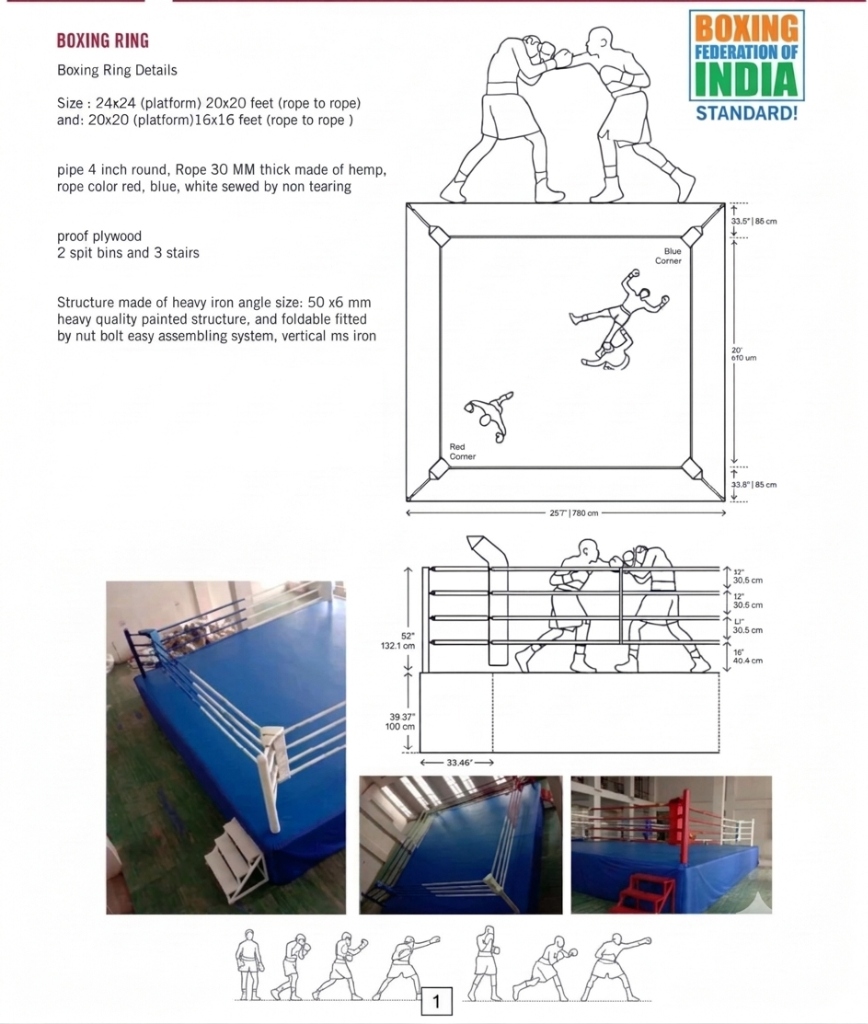
How to Build a Boxing Ring: Regulation Sizes, Engineering, Ropes and India Costs
READ STORY →